In development
AI learned from what we wrote. This one will learn from the Earth.
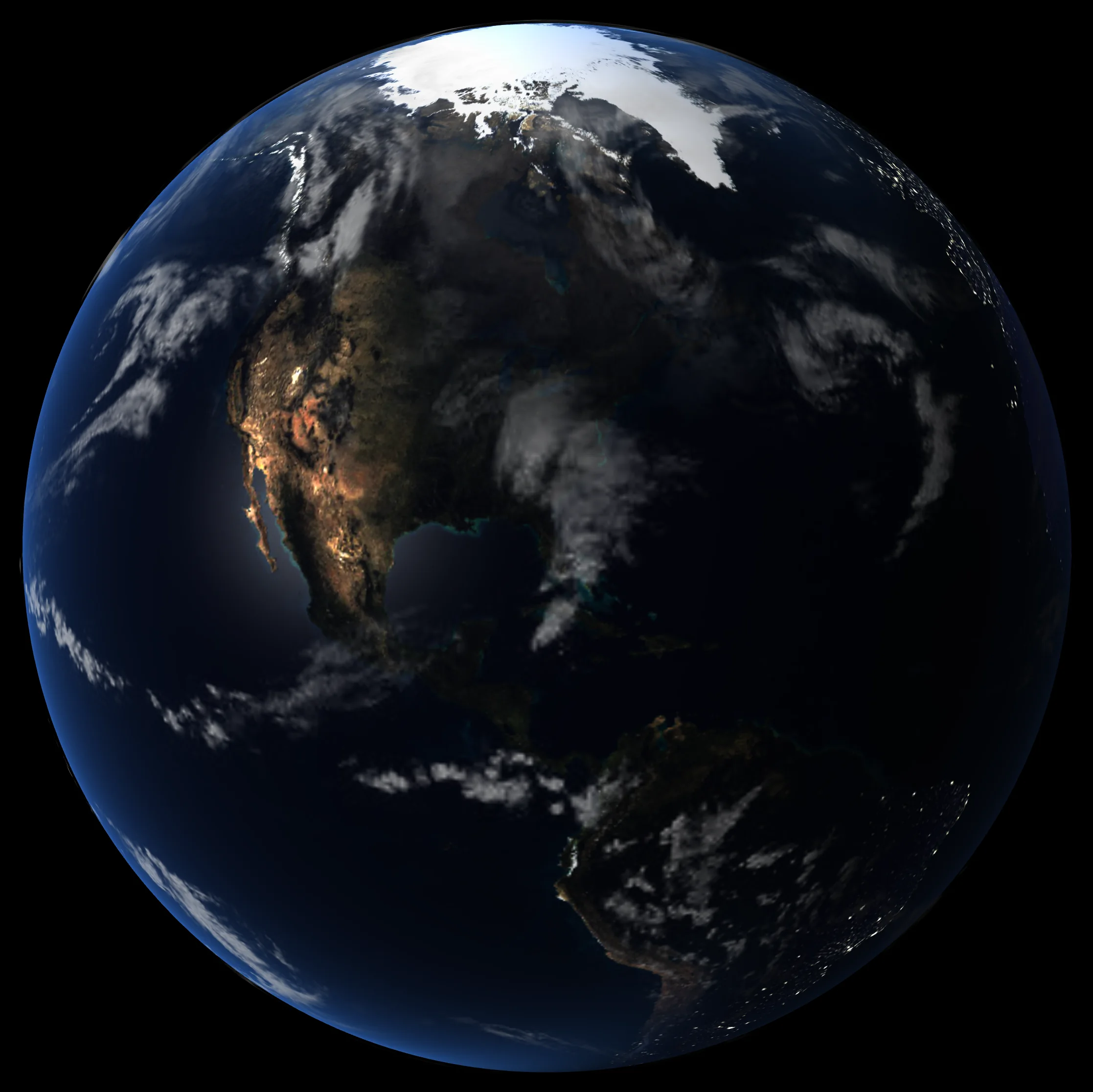
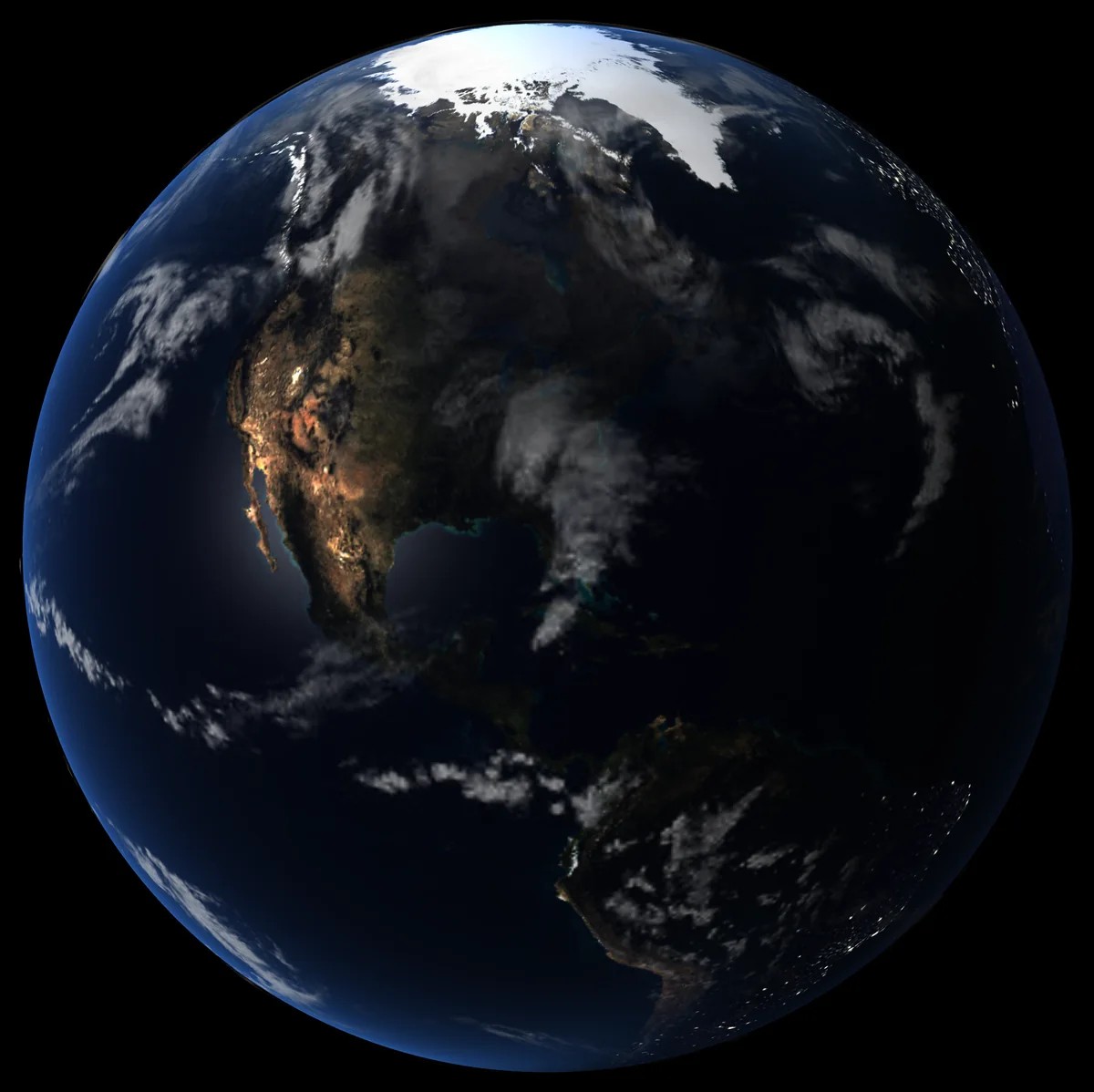
The Large Nature Model is a new frontier model in development, designed to learn from air, water, land, and life together: air monitors, river gauges, satellites, weather, soils, and species records, joined to the law that protects them. The first generation is not yet built. The new thing is not that a machine learns from the Earth; others do, for weather and for proteins. It is the join: prediction, the legal record, and a decision a person is accountable for, in one system.
Where it stands today
The Large Nature Model is a designed program, not a model in use. The architecture proposal, the benchmark design, and a three-generation build plan are published; the first scored benchmark has not shipped. We are assembling the partners, data, and funding to build the first generation.
Last updated October 2026. The architecture proposal, benchmark design, and build plan are in the public deck, The Large Nature Model (October 2026). Test data, evaluation code, scoring rules, and baseline results are not yet published; when they are, they appear here first.
- Next milestone
- The first scored Nature Benchmark run on the air model, against Texas monitoring data, with baselines published alongside it.
- What starts the clock
- The 36-month plan is a proposed duration from the start of funded work on the first generation; the start date is not yet set.
Three layers, one test.
-
Language core
The part that exists today in EnviroAI: it reads permits, rules, agency letters, and papers, and answers with sources.
-
Earth model
To be trained on measurements of air, water, coast, land, and life, with conservation of mass and energy built in: pollution cannot appear from nowhere, water cannot vanish. That constraint is what keeps a prediction honest.
-
Action layer
Will draft the permit, flag the exceedance, propose the fix. A person approves before anything leaves the system.
The test
The Nature Benchmark: open tests of prediction, source tracing, legal knowledge, and safe action, scored against measurement rather than exams. The governing ambition is that the model passes when living systems do better; the test variables, baselines, horizons, and thresholds are set in the benchmark design and will be published with the first scored run.
A prediction is only useful if it reaches a decision.
Models trained on nature's own record already win public tests in protein folding and weather. What is missing is the connection: a model across air, water, land, and life that is judged by whether nature does better, and wired to the legal system that decides what gets built, permitted, and fixed.
EnviroAI already sits inside that legal system: the permits, the limits, the deviations, the agencies. The Large Nature Model will go on top of that working platform, so a prediction about a watershed lands in front of the person who signs the permit for the plant upstream.
Three generations over a planned 36 months.
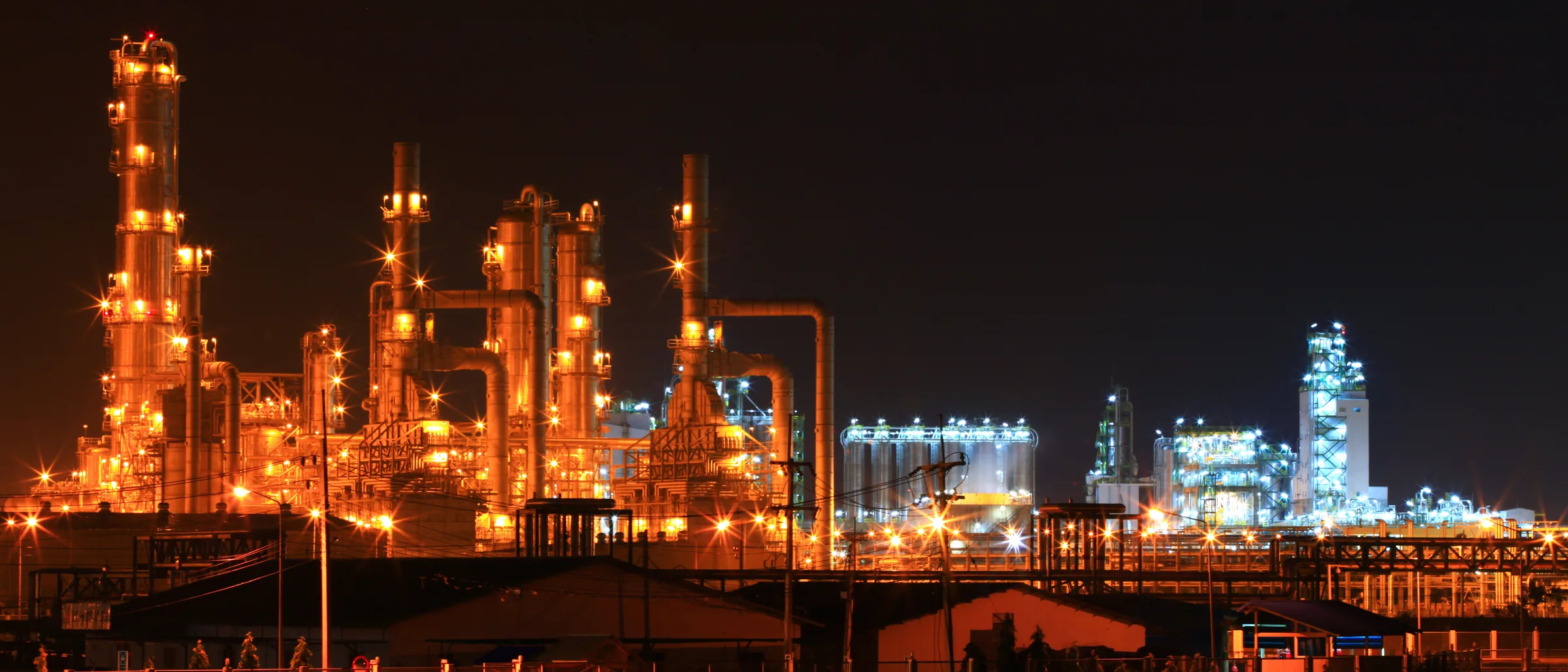
Each generation is judged on the Nature Benchmark before the next begins. Air first, in Texas: the largest petrochemical complex in the country, on the Gulf Coast, and a deep public record to learn from. A watershed collaboration with university researchers, on water, is in development beside it; it is a pilot, not the formal benchmark.
-
Generation 1
Language core plus the first Earth model for air, trained and tested against Texas monitoring data; benchmark published.
-
Generation 2
Water, coast, and land added; predictions connected to permits and limits inside the platform.
-
Generation 3
Living systems added; the action layer in use with human approval at operating facilities.
Help build the first generation.
Research collaborators, data holders, operators who want to host a pilot, and funders. Tell us which you are.