The work behind the work.
The proposed model, its tests, the collaborations helping develop them, the open problems, and the published writing the mission rests on.
-
Collaboration
Quantum computing for environmental protection.
A letter of intent with QCORE, the quantum computing center at Montana State University: hybrid AI and quantum algorithm testing, pilot projects on QCORE's quantum systems, student capstone projects, and internships. It is a letter of intent, not a partnership, and it does not mean Montana State University endorses any EnviroAI product.
-

In development
The Large Nature Model.
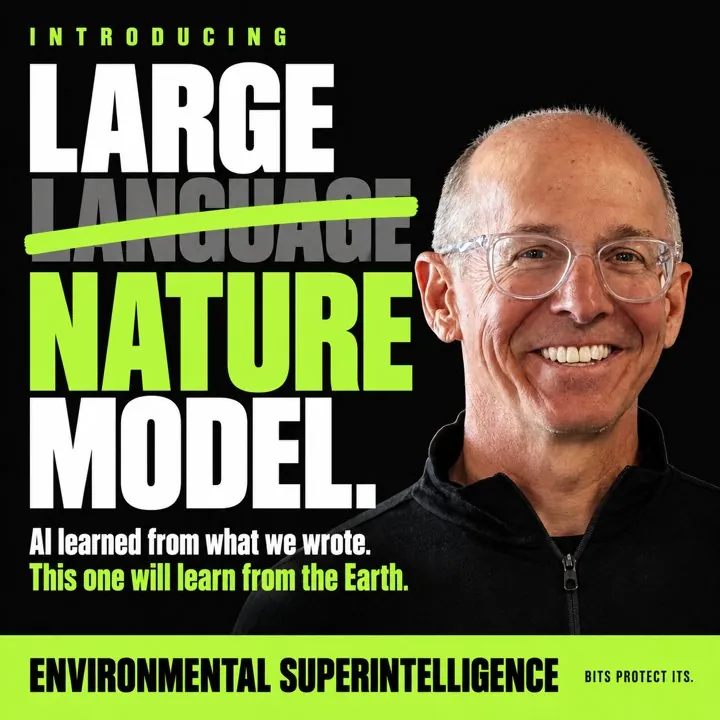
A new frontier model in development, designed to learn from air, water, land, and life together, joined to the law that protects them, so the system can say what happens next at a place. The first generation is not yet built.
The program: stage, milestone, and build plan -
In development
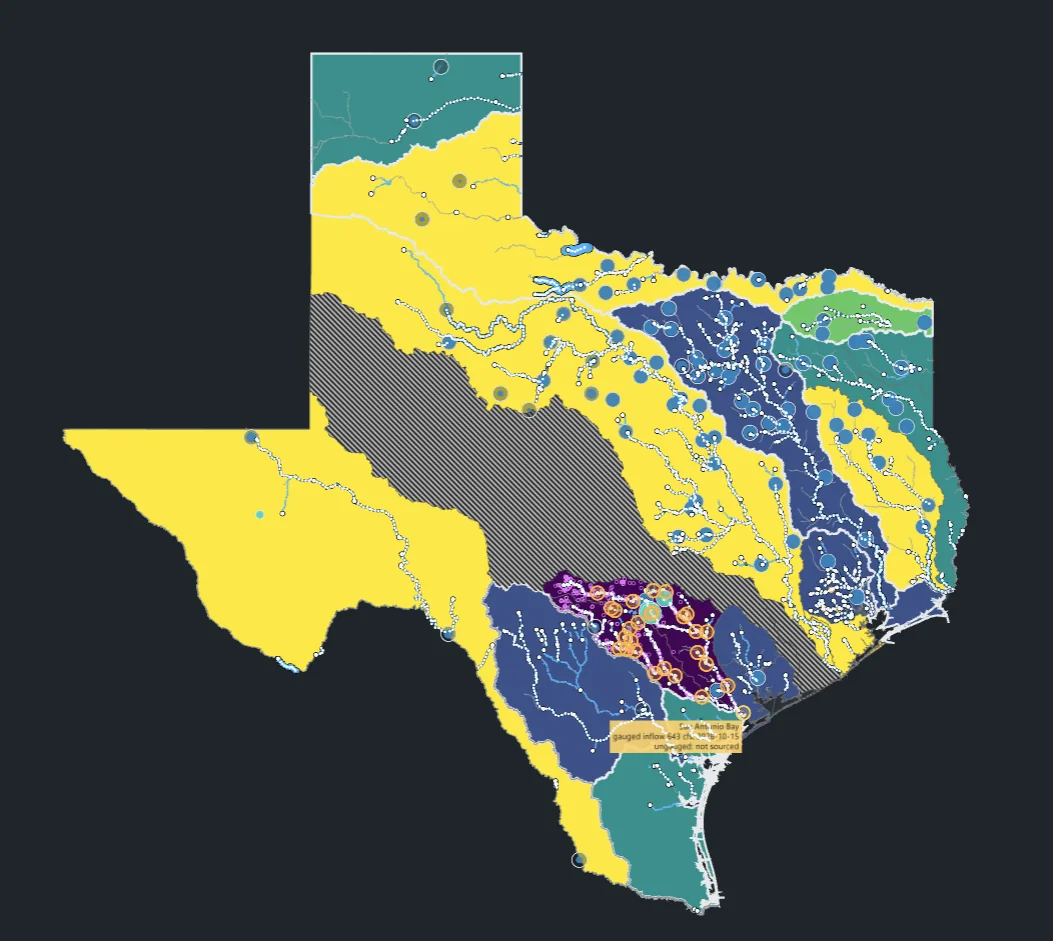
Watershed intelligence.
Work with university researchers on continuous, measurement-driven modeling of Texas watersheds and Galveston Bay. In development: every basin in the state, the gauges on every river, and the inflow to each bay, read as the gauges report. It is the water half of the environmental brain, and a pilot ground for the Large Nature Model beside its formal benchmark, which starts with air.
-
Research
The Nature Benchmark.
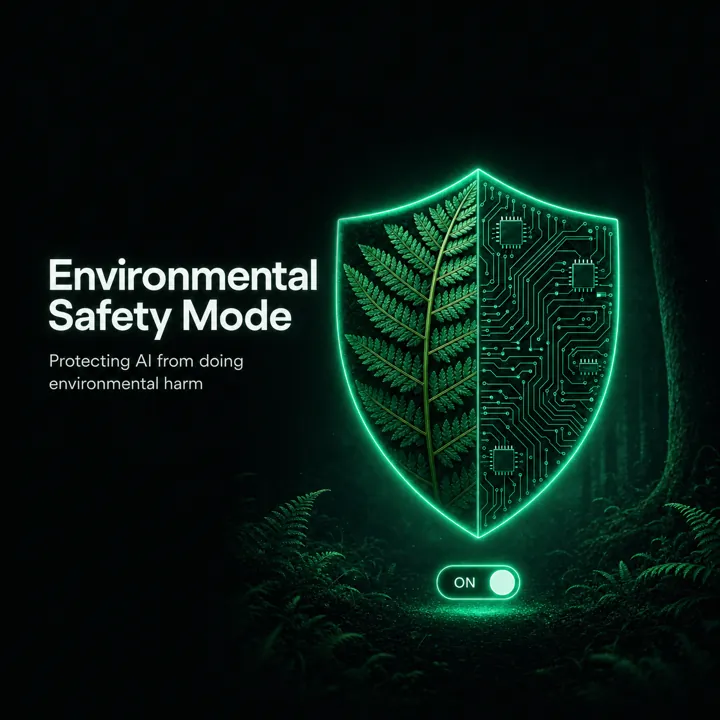
An open set of tests for any model that claims to understand the environment: whether it can predict what a monitor will read tomorrow, trace an answer to its source, apply the law that governs a place, and act safely when it is allowed to act. Scored against measurement, not exams. The design is published; the first scored benchmark ships with the first generation of the model. The last test matters most as AI starts to act in the world: research into tests and controls intended to detect and reduce environmental harm from AI-directed actions, with its limits stated as plainly as the proposal (the technical companion covers measurement attacks, false trips, and how each proposed level can be defeated).
The hard parts.
"Build environmental superintelligence" is a mission, not a work brief. These are the problems the work actually turns on. Some are working inside the product today; some are not solved by anyone. If one of them is yours, write to us.
-
01
Reading permit conditions reliably
Turning a scanned, forty-year-old permit and its amendments into limits a machine can compare with a measurement, without losing a condition.
-
02
Reconciling source identities
The same stack carries different names in the permit, the emissions inventory, the enforcement record, and the map. Joining them is most of the work of "every emission point".
-
03
Measuring uncertainty
Saying how sure an answer is, in a way a professional can act on, and marking what could not be confirmed rather than guessing.
-
04
Learning from sparse observations
Monitors are few, gauges are far apart, and reports are late. A model of a place has to be honest about what it never saw.
-
05
Evaluating forecasts against the world
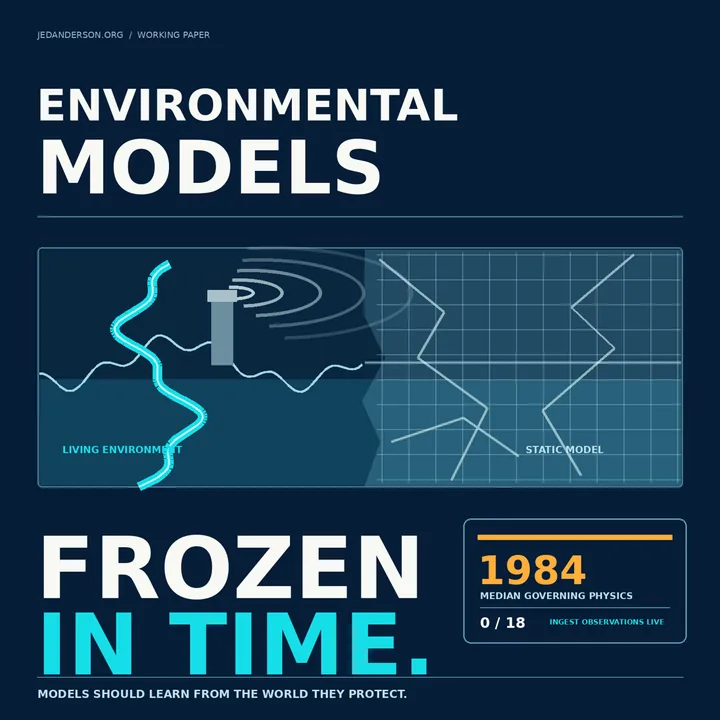
A benchmark scored by what the monitor read tomorrow, not by an exam, with baselines anyone can reproduce.
-
06
Preventing unsupported actions
The controls that keep a system from acting outside human-set limits, and the tests that show whether they hold under pressure.
Read the thinking.
The mission is written down in public, with dates and provenance, at jedanderson.org. A starting set is below; the full selection is under Notes from the Climb.
-
Environmental Superintelligence: a canonical definition
June 2026
The definition the mission rests on, with its provenance.
-
The Large Nature Model
October 2026
The 15-slide case for the model, its benchmark, and the build plan.
-
The Arc
May 2026
Twenty-seven years toward environmental superintelligence.
-
Why Build Environmental Superintelligence?
August 2026
Seven plain reasons, with their limits stated.
-
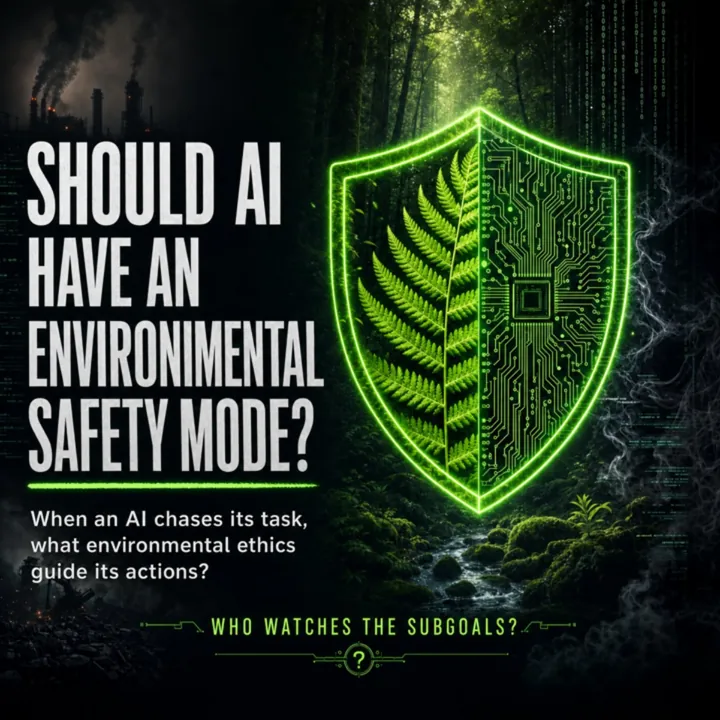
The Guard and the Gardener
October 2026
A one-page framing that needs no physics.
-
Who closes the environmental protection loop?
August 2026
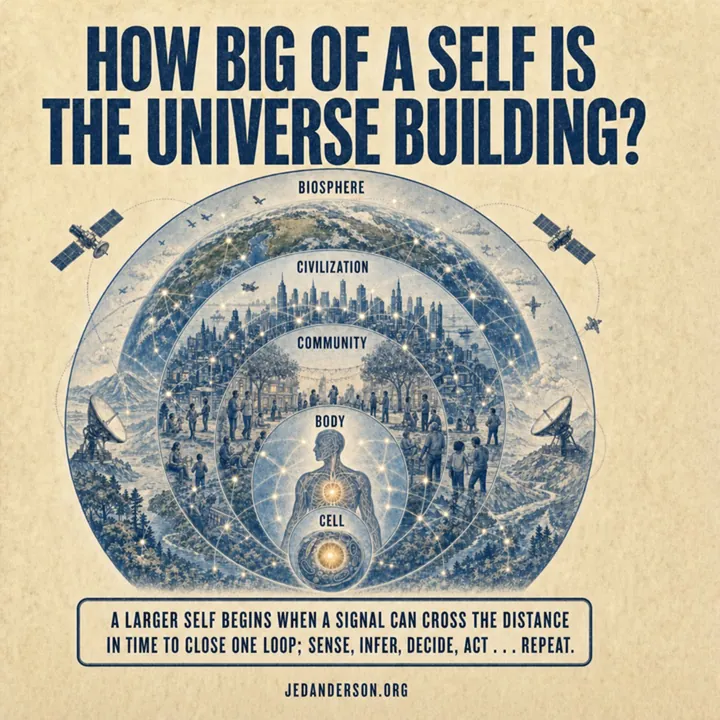
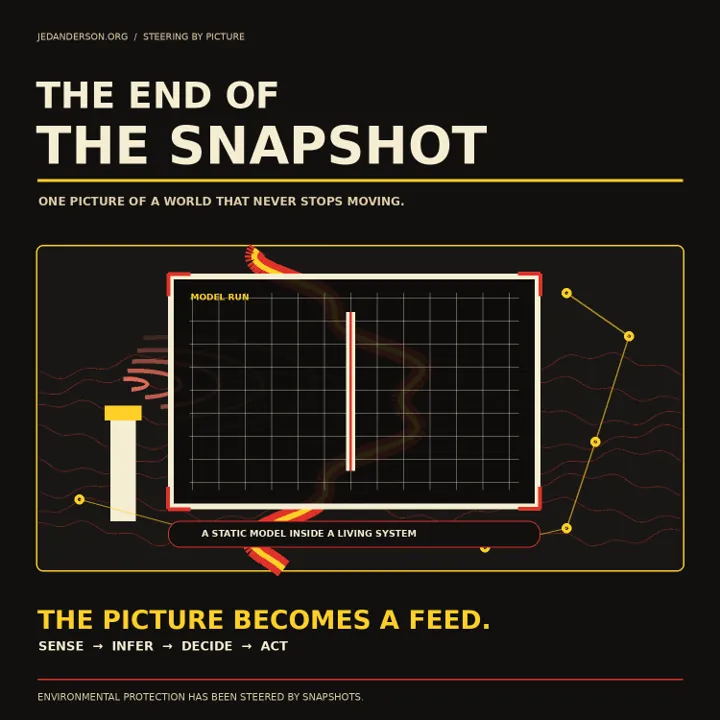
Sense, infer, decide, act, repeat: the loop every protection system runs.
-
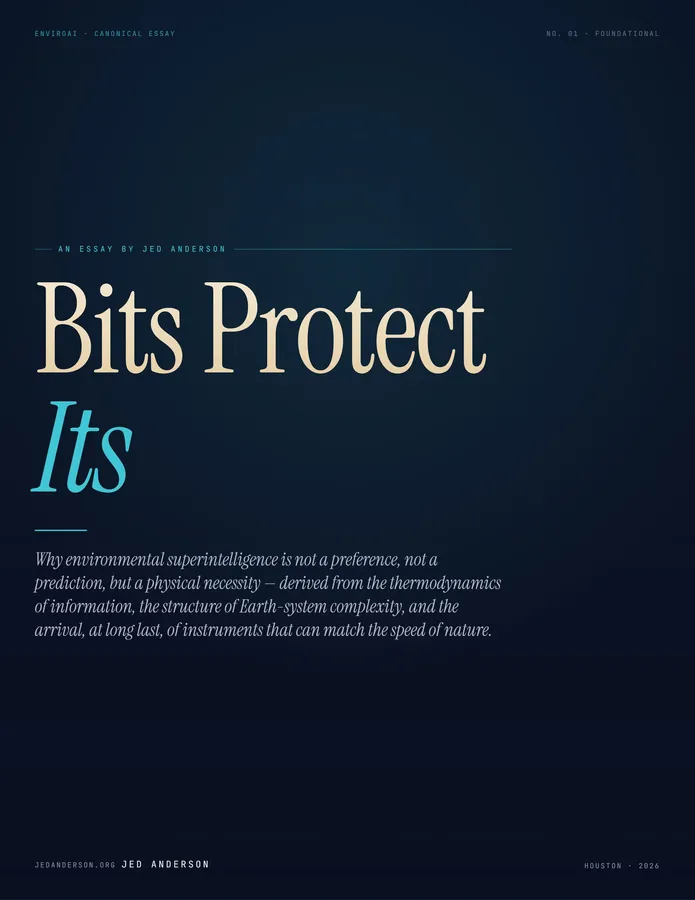
Bit Protect It
April 2026
Why information is cheaper than force, in plain prose.
From Notes from the Climb.
See it on your own facilities.
A demo runs on the public record of a facility you choose. Thirty minutes, no slides.